

Great ads don鈥檛 just sell鈥攖hey ignite conversations, stir emotions, and leave a lasting mark on culture.
These 19 iconic campaigns didn鈥檛 just make waves鈥攖hey set the standard. Discover their secrets, and learn how to make your next ad one for the history books.
Top 19 Iconic Campaigns Across Media
From TV spots that became cultural phenomena to experiential marketing stunts that redefined audience engagement, these campaigns represent the pinnacle of advertising creativity and strategy. Each one broke new ground, offering timeless lessons for marketers looking to make an impact.
TV Advertisements
Television has long been the gold standard for reaching mass audiences with unforgettable storytelling.
These iconic TV ads captivated viewers, sparked conversations, and set benchmarks for how brands could use the medium to leave a lasting impression.
1. Apple 鈥� “1984” (1984)
Apple鈥檚 Super Bowl ad, 1984, was more than a commercial鈥攊t was a rallying cry. Directed by Ridley Scott, the cinematic masterpiece depicted a dystopian future inspired by George Orwell鈥檚 1984. In a dramatic sequence, a lone heroine smashes a giant screen, projecting the image of an authoritarian leader and symbolizing Apple鈥檚 mission to disrupt IBM鈥檚 dominance and empower individuality.
The ad aired just once during the Super Bowl, yet its impact was immediate and profound. It broke every advertising convention at the time: no product shots, no features鈥攋ust a bold narrative that aligned Apple with freedom, creativity, and rebellion. The Macintosh launch that followed cemented Apple鈥檚 identity as a brand for innovators and iconoclasts.
Takeaways for marketers:
- Be bold: Revolutionary campaigns often defy the status quo to make a statement.
- Tell a story: A compelling narrative resonates far deeper than a list of features.
- Align with values: Position your brand as a champion of ideals your audience cares about.
2. Nike 鈥� “Just Do It” (1988)
狈颈办别鈥檚 Just Do It campaign redefined the brand and athletic marketing. The first commercial featured 80-year-old marathoner Walt 鈥淚ron Man鈥� Stack jogging across the Golden Gate Bridge, paired with the now-iconic slogan: Just Do It.
The ad’s brilliance lay in its simplicity. Instead of focusing on elite athletes, it connected with everyone, from casual joggers to professionals. By highlighting the universal desire to push limits and overcome challenges, Nike positioned itself as more than a shoe company鈥攊t became a motivational brand.
Takeaways for marketers:
- Find universality: A message that resonates broadly can expand your audience.
- Use simplicity: Simple, powerful slogans like Just Do It stick and endure.
- Show real stories: Authenticity in storytelling builds trust and emotional connections.
3. Pepsi 鈥� “Gladiator Commercial” (2003)
笔别辫蝉颈鈥檚 Gladiator commercial was a cinematic spectacle that brought pop culture to the Super Bowl stage. Set in a Roman coliseum, the ad featured Beyonc茅, Pink, and Britney Spears as gladiators who defied the oppressive emperor, played by Enrique Iglesias. The women overthrew the ruler and reclaimed their power, distributing Pepsi to a roaring crowd鈥攁ll to the beat of Queen鈥檚 鈥淲e Will Rock You.鈥�
This ad stood out for its star-studded cast, larger-than-life production, and bold storytelling. It flipped traditional gladiator tropes on their head by showcasing women as empowered heroes in a typically masculine setting. The blend of music, rebellion, and pop culture aligned perfectly with 笔别辫蝉颈鈥檚 bold, fun, and youthful brand identity.
Takeaways for marketers:
- Think big: High-energy, cinematic campaigns grab attention and stay memorable.
- Subvert expectations: Challenge stereotypes or conventions to create impactful narratives.
- Leverage star power: Using cultural icons and music amplifies a campaign鈥檚 relevance and appeal.
4. Old Spice 鈥� “The Man Your Man Could Smell Like” (2010)
Old Spice revitalized its image with this humorous, fast-paced ad starring Isaiah Mustafa. In just 30 seconds, Mustafa effortlessly transitioned from a shower to a boat to a horse, delivering witty one-liners about masculinity and confidence鈥攁ll while promoting Old Spice body wash.
The ad鈥檚 absurd humor, sharp writing, and charismatic delivery made it a viral sensation, bringing a legacy brand back into cultural relevance. It also sparked a campaign of follow-up videos directly responding to fans鈥� social media comments, setting a new standard for audience engagement.
Takeaways for marketers:
- Use humor: Bold, unexpected humor grabs attention and sticks in people鈥檚 minds.
- Be memorable: A distinct tone and voice help your brand stand out.
- Engage directly: Interacting with your audience extends the life of a campaign.
5. Snickers 鈥� “You鈥檙e Not You When You鈥檙e Hungry” (2010)
Snickers hit a home run with its Super Bowl ad starring Betty White. In the ad, a group of friends plays a rough game of football, with one player, portrayed by White, performing poorly and getting tackled into the mud. A teammate hands her a Snickers bar, and after taking a bite, she transforms into a young man, highlighting the message that hunger can make you act out of character.
The campaign鈥檚 mix of humor, nostalgia, and relatability made it an instant hit. The concept was so versatile that it continued for years with new scenarios and celebrities, making “You鈥檙e Not You When You鈥檙e Hungry” one of the most successful taglines in modern advertising.
Takeaways for marketers:
- Be relatable: Universal truths like hunger resonate across demographics.
- Leverage nostalgia: Familiar faces evoke strong emotional responses.
- Create longevity: A flexible concept can evolve into a long-term campaign.
Print Advertisements
Print ads have long been a canvas for bold ideas, relying on striking visuals and clever messaging to make an impact.
These iconic campaigns demonstrate the power of simplicity, humor, and creative risk-taking.
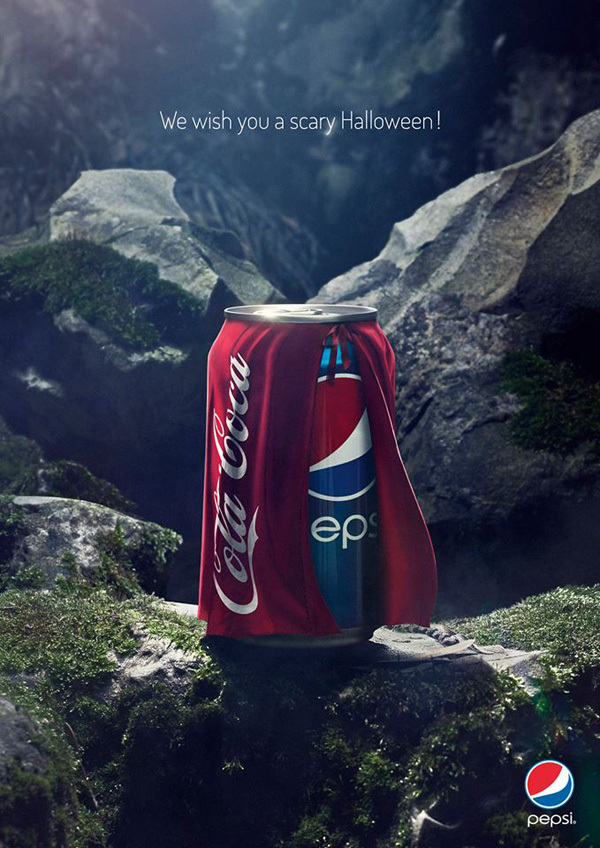
6. Pepsi 鈥� “Scary Halloween” (2019)
笔别辫蝉颈鈥檚 Halloween ad delivered a playful jab at its rival, Coca-Cola. It featured a Pepsi can dressed in a Coca-Cola cape with the tagline, 鈥淲e wish you a scary Halloween!鈥� This tongue-in-cheek visual cleverly framed Coke as the “scary” choice while reinforcing 笔别辫蝉颈鈥檚 bold and irreverent brand personality.
The ad stood out for its humor and simplicity. It wasn鈥檛 a heavy-handed comparison鈥攊t was lighthearted and fun, engaging audiences without alienating Coke fans.
Takeaways for marketers:
- Inject humor: Humor grabs attention and helps establish a lighthearted connection.
- Healthy competition: A playful nod to competitors can create buzz without alienating audiences.
- Stay true to your brand: Always reinforce your core identity鈥攊n 笔别辫蝉颈鈥檚 case, boldness and fun.
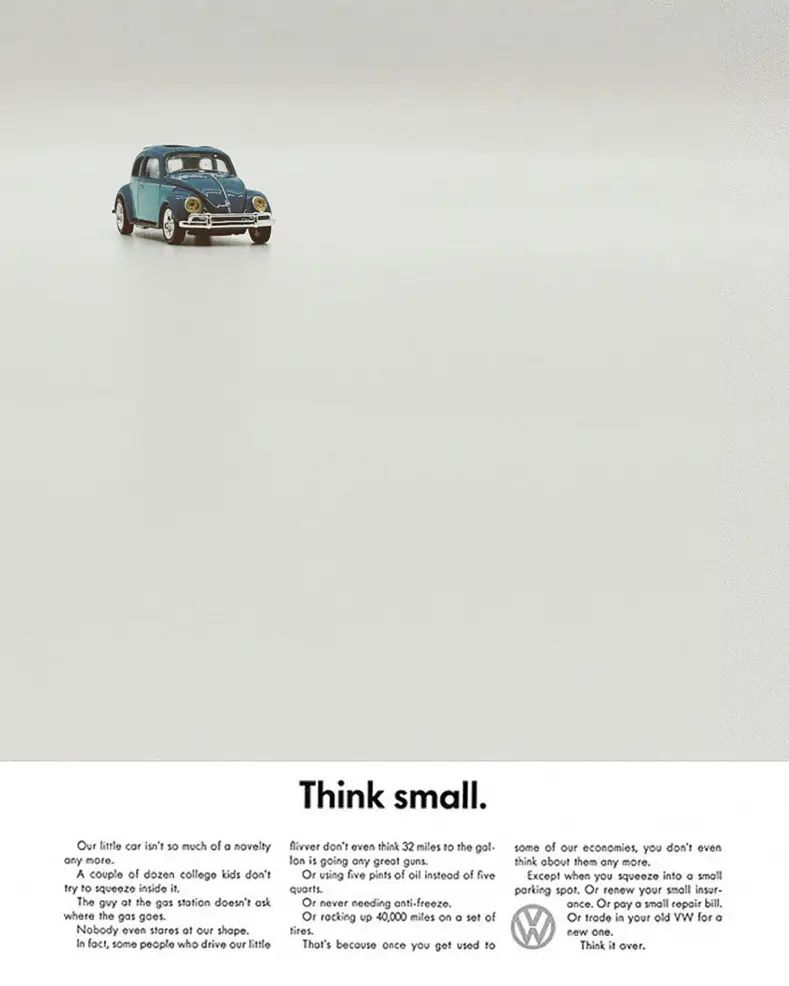
7. Volkswagen 鈥� “Think Small” (1960)
Volkswagen flipped automotive advertising on its head with Think Small, a minimalist print ad celebrating the Beetle鈥檚 small size as a virtue. While other car brands focused on power and size, Volkswagen embraced its difference, positioning the Beetle as practical, economical, and approachable.
The ad鈥檚 clean layout and self-deprecating tone became a blueprint for modern advertising. It turned what might have been perceived as a weakness into a compelling strength, proving that honesty and simplicity can win over audiences.
Takeaways for marketers:
- Keep it simple: Clear, straightforward messages cut through the noise.
- Turn weaknesses into strengths: Highlight unique qualities, even those perceived as disadvantages.
- Embrace authenticity: Honesty resonates more than overstated claims.
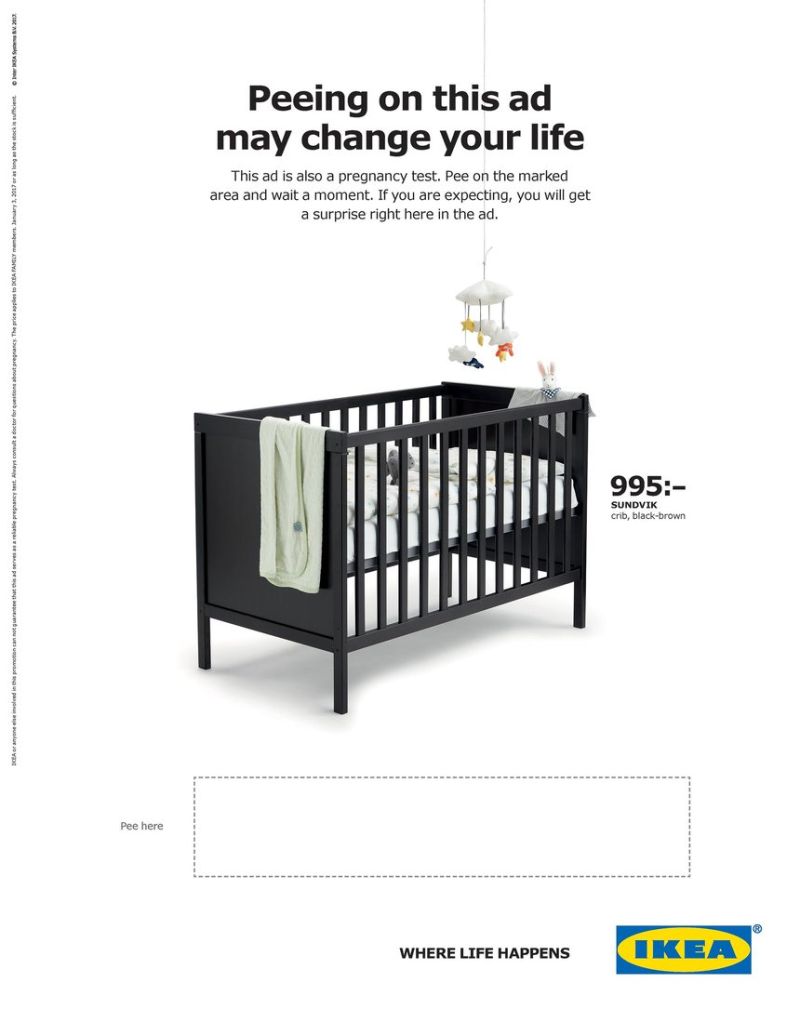
8. IKEA 鈥� “Pee Here” (2017)
IKEA鈥檚 print ad pushed boundaries by inviting women to urinate on it. Yes, you read that right. The ad incorporated a pregnancy test; if it detected pregnancy, a discount for a baby crib was revealed.
This unconventional approach connected IKEA with expectant mothers in a deeply personal way. It was bold, interactive, and used technology to create a unique experience, making it one of the most talked-about campaigns of the year.
Takeaways for marketers:
- Be bold: Sometimes, breaking norms is the best way to stand out.
- Use technology creatively: Integrating innovation can elevate a campaign鈥檚 impact.
- Personalize the experience: Engage your audience on a personal level to forge deeper connections.
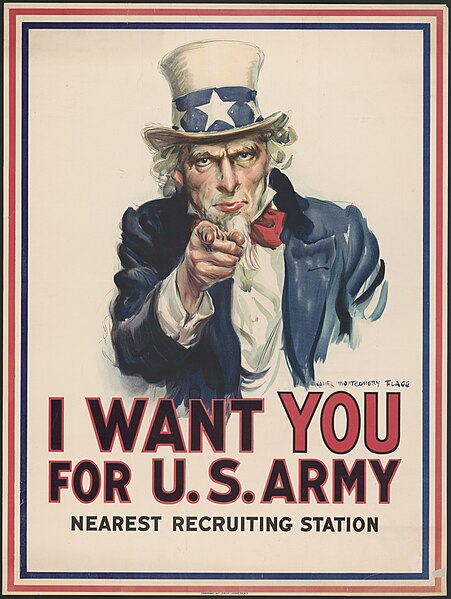
9. US Military 鈥� “I Want You” (1917-1918)
The iconic “Uncle Sam” poster is one of the most recognizable ads in history. Featuring Uncle Sam pointing directly at the viewer with the words, 鈥淚 Want You for U.S. Army,鈥� it was an emotionally charged call to action during World War I.
Its directness and urgency tapped into patriotism and personal responsibility, compelling millions to enlist. This ad remains a textbook example of how to mobilize action through simple, impactful design and messaging.
Takeaways for marketers:
- Be direct: Clear, targeted messages are highly effective in prompting action.
- Evoke emotion: Emotional appeals motivate audiences to respond.
- Incorporate strong imagery: Iconic visuals amplify recognition and impact.
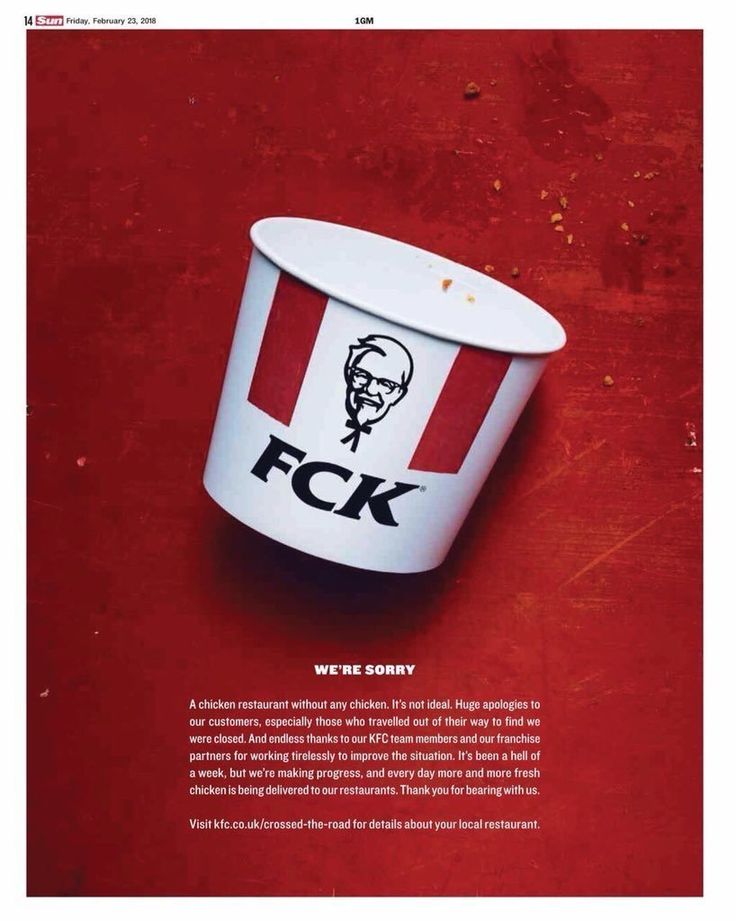
10. KFC 鈥� “FCK” (2018)
When KFC faced a chicken shortage in the UK, the brand turned a crisis into a moment of humor and transparency. Their print ad featured an empty bucket with the letters “FCK” replacing the KFC logo鈥攁 cheeky acknowledgment of their misstep.
The ad鈥檚 humorous, self-aware tone diffused frustration and won public sympathy. It showed that admitting mistakes with a sense of humor can strengthen, rather than harm, a brand鈥檚 relationship with its audience.
Takeaways for marketers:
- Own your mistakes: Acknowledging errors builds transparency and trust.
- Use humor wisely: Humor can diffuse tension and humanize your brand.
- Be authentic: Genuine responses strengthen customer loyalty, even in tough times.
Billboard Advertisements
Billboard ads transform everyday spaces into unforgettable marketing moments.
These campaigns show how bold visuals, interactive elements, and clever concepts can captivate audiences on the go.
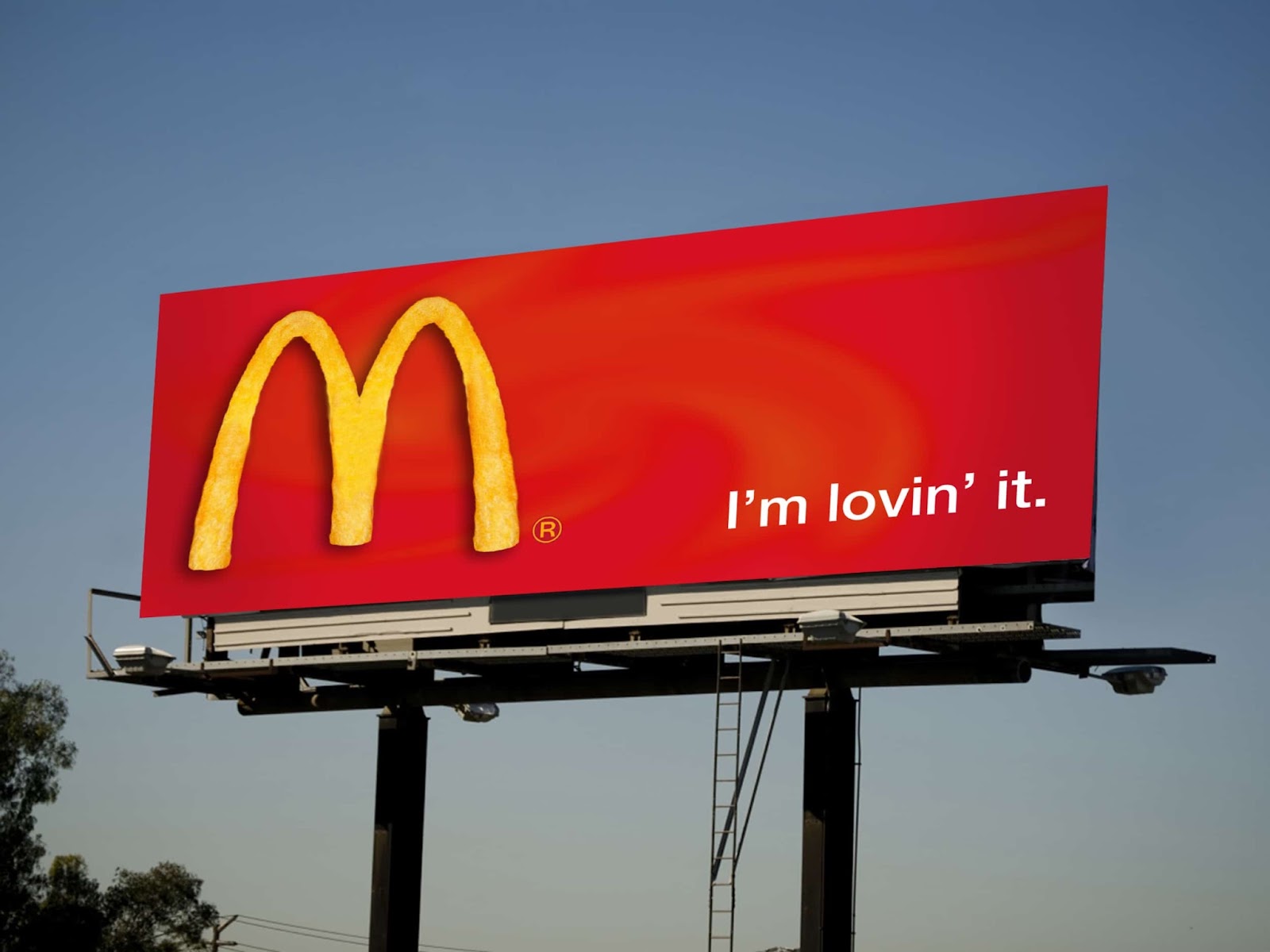
11. McDonald’s 鈥� “I’m Lovin’ It” (2003鈥揚resent)
McDonald鈥檚 iconic I鈥檓 Lovin鈥� It billboards have become a cornerstone of its global brand identity. With vibrant images of its menu items paired with the universally recognized slogan, the ads create an instant emotional connection with viewers.
Their simplicity and positivity evoke feelings of comfort and familiarity, reinforcing McDonald鈥檚 as a go-to destination for a quick, enjoyable meal.
Takeaways for marketers:
- Consistency wins: A unified message across campaigns builds long-term recognition.
- Pair visuals with emotion: Strong, appealing visuals evoke instant connections.
- Keep it simple: A straightforward message often resonates most effectively.
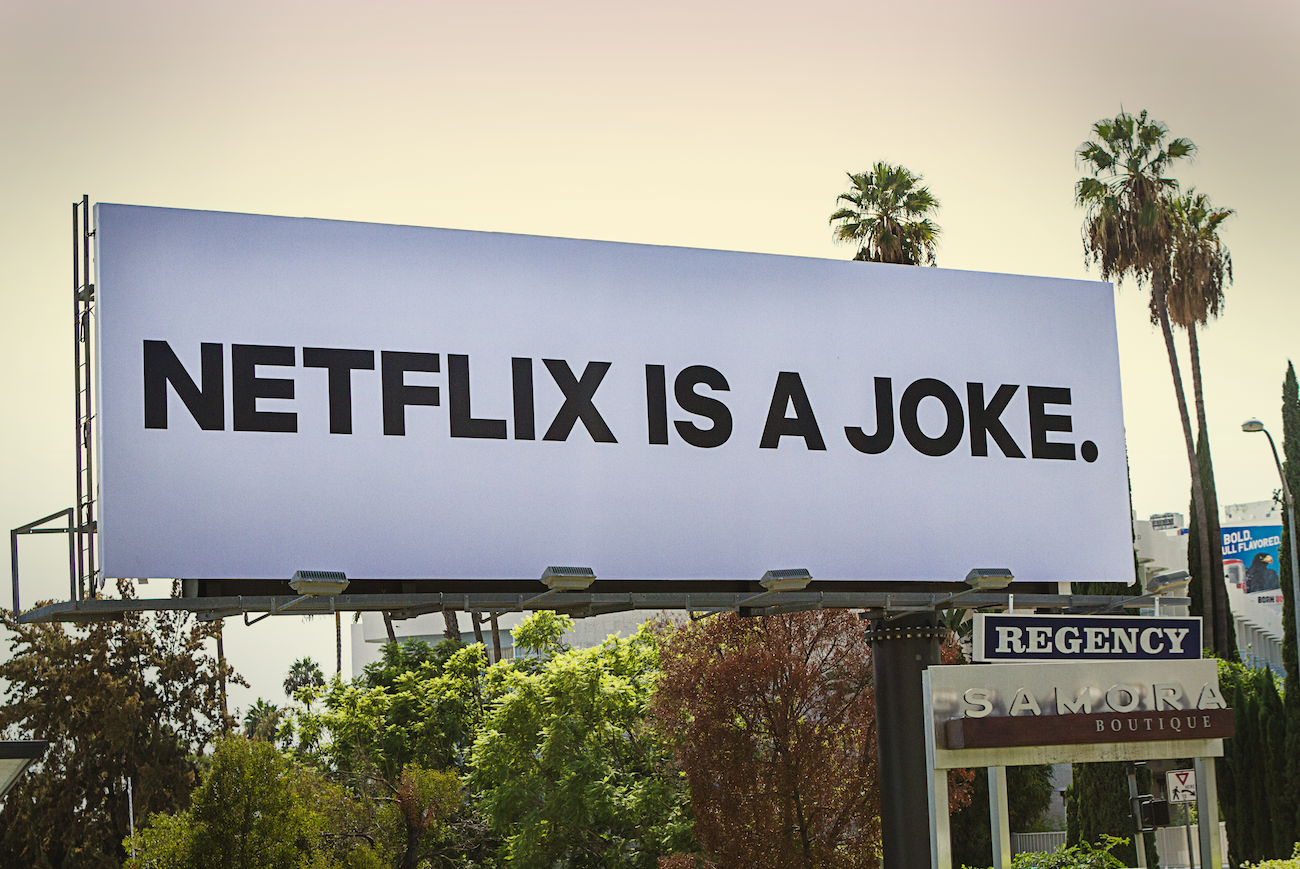
12. Netflix 鈥� “Netflix is a Joke” (2019)
Netflix grabbed attention with a series of cryptic billboards declaring Netflix is a joke. Without any context, the bold, minimalist text sparked widespread curiosity and confusion.
Later, it was revealed that the billboards were part of a campaign to promote Netflix鈥檚 extensive lineup of comedy specials. The ads reflected the streaming giant鈥檚 playful and self-aware branding, and showed how mystery can drive conversation and intrigue before delivering a clever punchline.
Takeaways for marketers:
- Create mystery: A campaign that teases rather than tells can generate buzz and engagement.
- Embrace the unexpected: Surprising your audience can reinforce your brand’s playful or creative persona.
- Leverage public curiosity: Getting people talking about your ad is a win for brand awareness.
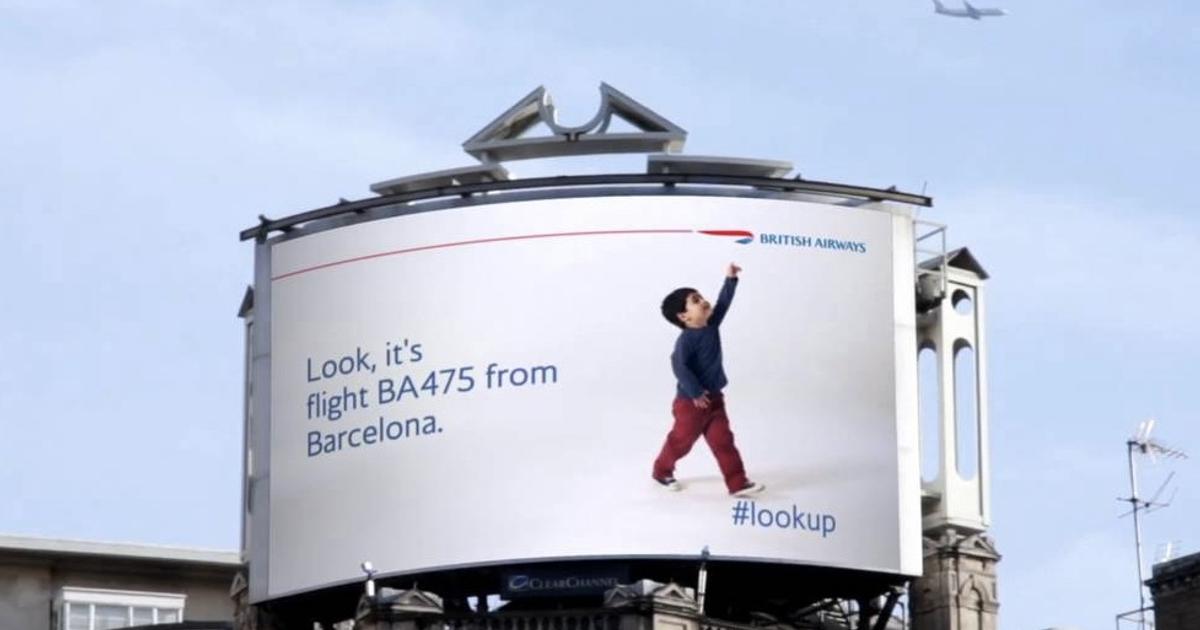
13. British Airways 鈥� “The Magic of Flying” (2013)
British Airways turned heads with an innovative billboard that used real-time flight tracking to create a personalized experience. As planes flew overhead, the billboard displayed flight details, such as the destination and flight number.
This interactive, tech-driven approach turned a static ad into a dynamic and engaging moment, making passersby pause and connect with the wonder of flying.
Takeaways for marketers:
- Use technology creatively: Real-time data makes advertising feel dynamic and relevant.
- Personalization matters: Tailoring your campaign to the viewer enhances engagement.
- Make it memorable: Interactive elements leave a stronger impression than static visuals.
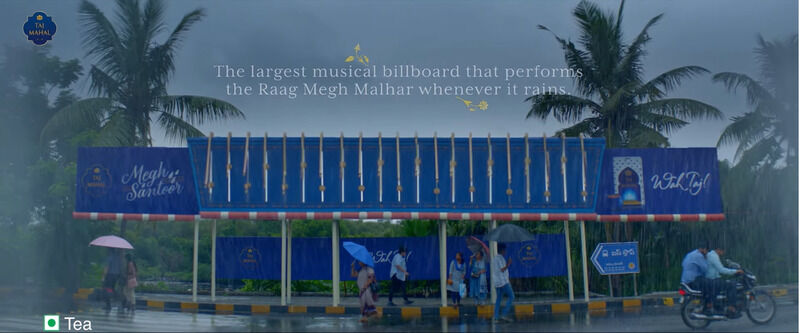
14. Taj Mahal Tea 鈥� “Raag Megh Malhar” music billboard (2023)
Taj Mahal Tea captivated audiences with a rain-activated billboard that combined music, culture, and technology. The installation featured a giant santoor that produced classical Indian music when raindrops struck its strings.
This ingenious campaign celebrated the monsoon season and showcased the brand鈥檚 commitment to blending tradition with modern innovation. Its cultural resonance and immersive design earned widespread acclaim, including a Guinness World Record.
Takeaways for marketers:
- Be innovative: Combining art, culture, and technology creates unforgettable campaigns.
- Connect with context: Aligning your ad with environmental or cultural triggers can enhance relevance.
- Engage the senses: Multisensory experiences make your message more impactful.
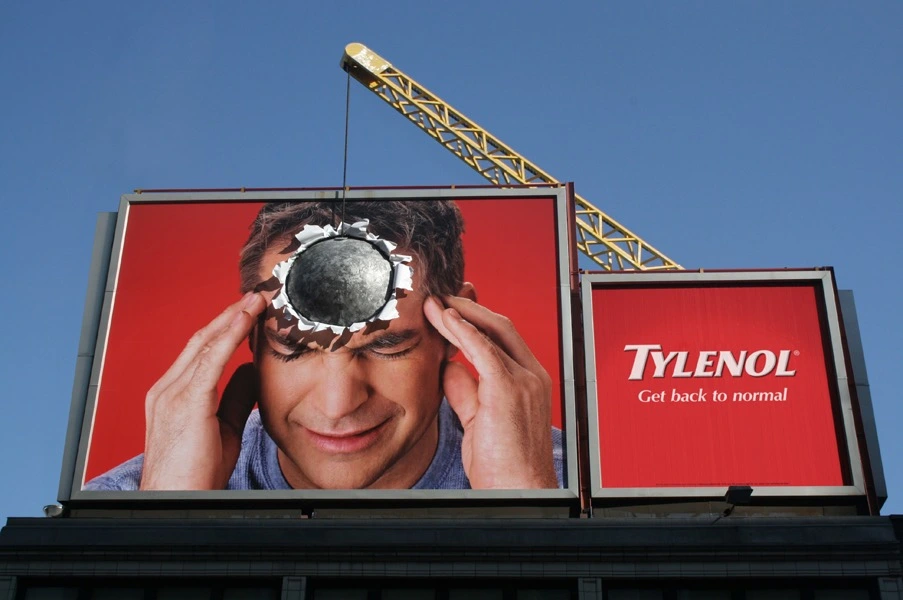
15. Tylenol 鈥� “Headache Wrecking Ball” (2008)
Tylenol鈥檚 headache-themed billboard in Toronto鈥檚 Dundas Square took creative exaggeration to new heights. Featuring a real bulldozer and wrecking ball, the installation dramatized the pounding intensity of a headache while showcasing Tylenol as the solution.
The eye-catching display turned a common ailment into an unforgettable visual story, making the ad relatable and hard to miss.
Takeaways for marketers:
- Exaggerate to communicate: Bold, larger-than-life imagery drives home your message.
- Use real-world elements: Incorporating physical objects creates a memorable, immersive effect.
- Solve problems visually: Highlight the problem and position your product as the solution.
Experiential Marketing
Experiential marketing campaigns immerse consumers directly in the brand experience, fostering deeper connections and creating memorable moments.
These innovative campaigns showcase how interactivity, personalization, and bold ideas can amplify a brand鈥檚 impact.
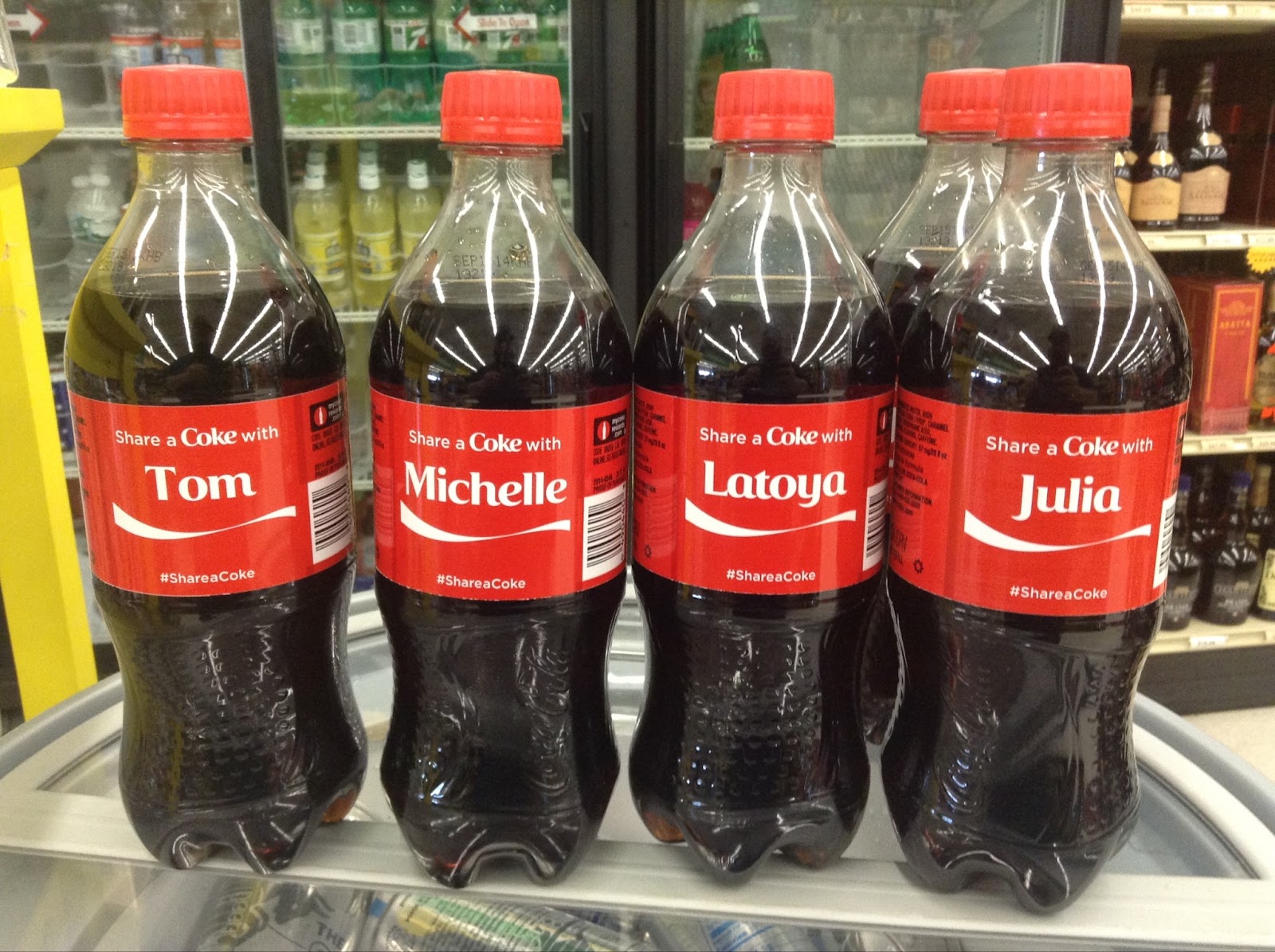
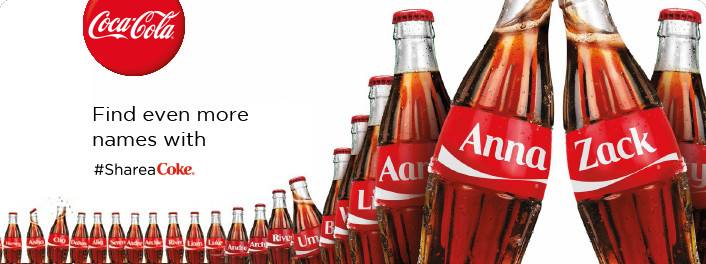
16. Coca-Cola 鈥� “Share a Coke” (2011鈥�2014)
颁辞肠补-颁辞濒补鈥檚 Share a Coke campaign replaced its iconic logo with popular names on bottles, encouraging customers to find and share bottles featuring their own or their friends鈥� names.
The campaign鈥檚 playful, personalized approach resonated with millions, sparking a social media frenzy as people shared photos of their customized bottles.
Takeaways for marketers:
- Focus on personalization: Tailored campaigns create strong emotional connections with consumers.
- Encourage social sharing: User-generated content amplifies visibility and strengthens brand engagement.
- Leverage simplicity: A straightforward concept, executed well, can achieve global appeal.
17. Red Bull 鈥� “Stratos Jump” (2012)
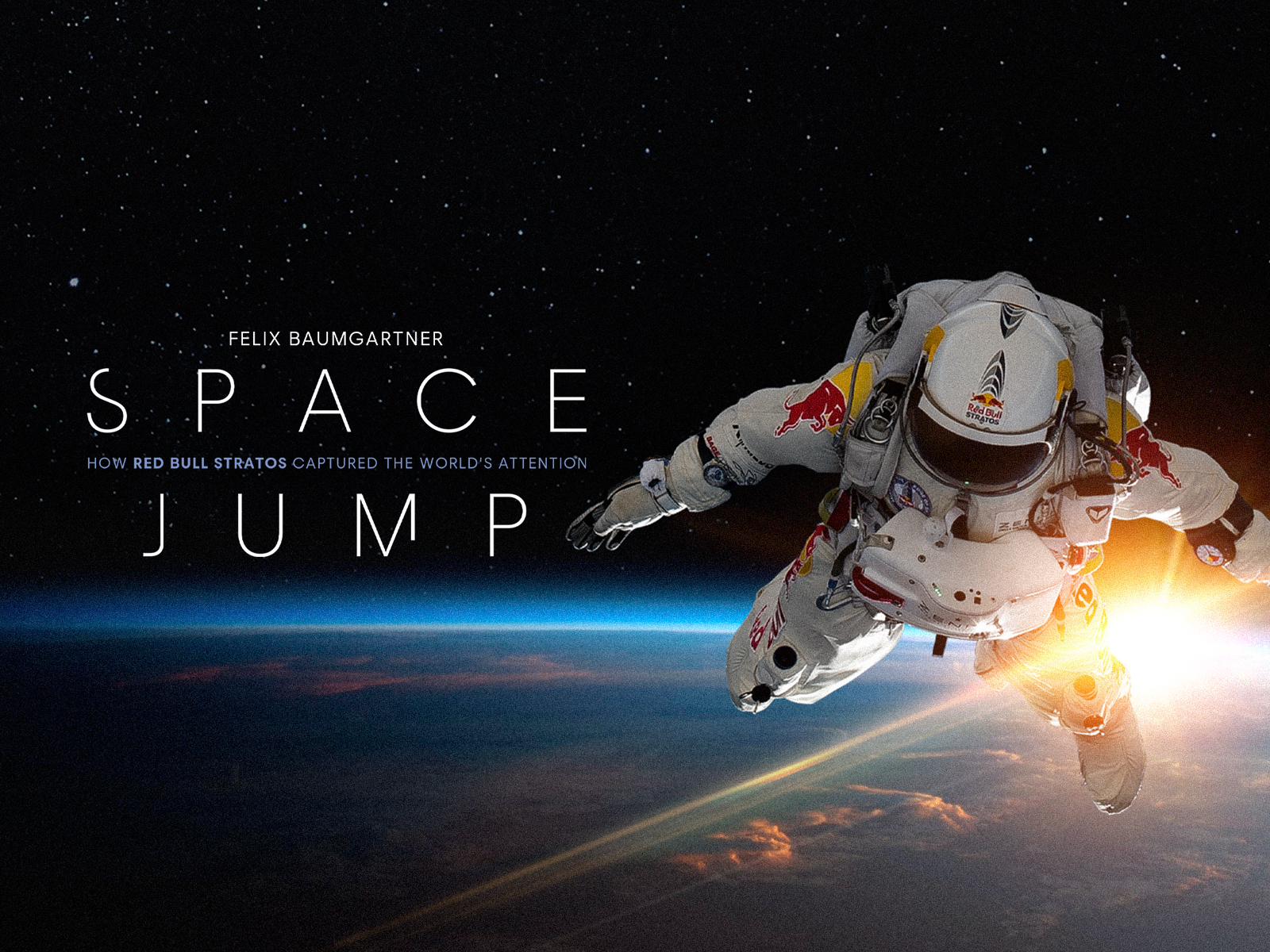
Red Bull took experiential marketing to unprecedented heights鈥攍iterally. The brand sponsored Felix Baumgartner鈥檚 record-breaking freefall from the stratosphere, which was streamed live to millions worldwide.
The feat showcased Red Bull鈥檚 association with extreme sports and cemented its reputation as a brand that pushes boundaries.
Takeaways for marketers:
- Think big: Ambitious, once-in-a-lifetime experiences can elevate your brand鈥檚 image.
- Align with brand values: Ensure your campaign reflects your core ethos鈥攊n Red Bull鈥檚 case, daring and adventure.
- Leverage media buzz: Events that capture public attention naturally generate widespread coverage.
18. Pepsi 鈥� “Pepsi Challenge” (1975)
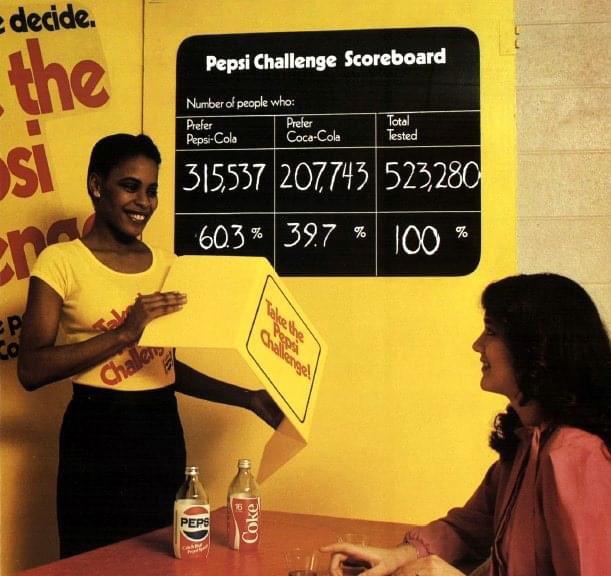
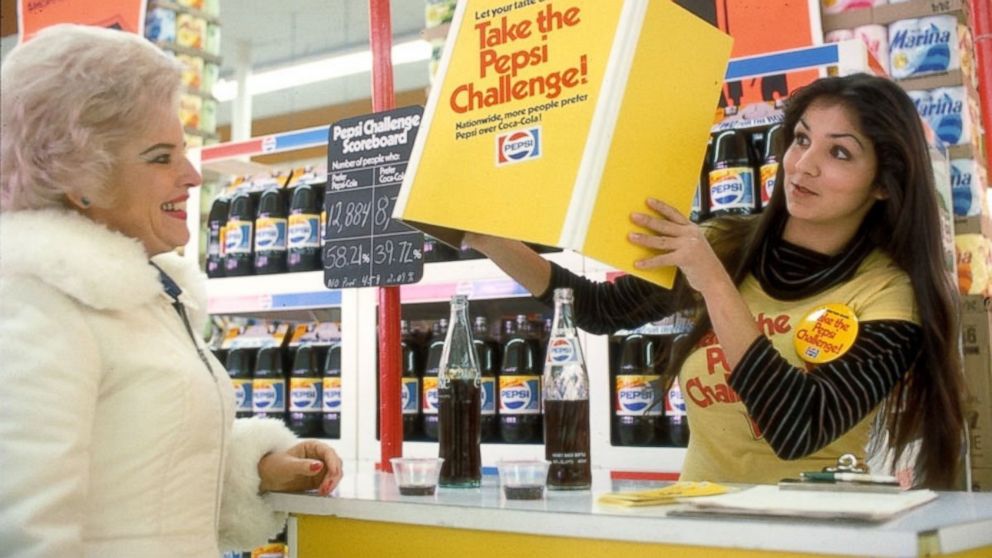
The Pepsi Challenge invited consumers to participate in a blind taste test comparing Pepsi and Coca-Cola.
By placing the decision directly in the hands of consumers, the campaign shifted perceptions and highlighted 笔别辫蝉颈鈥檚 taste superiority, sparking conversation and loyalty in the competitive soft drink market.
Takeaways for marketers:
- Engage directly: Real-world interactions build trust and create memorable experiences.
- Use competition strategically: Comparing your product to rivals can be impactful when done tactfully.
- Empower consumers: Letting audiences make the call fosters confidence in your product.
19. Warner Bros. Pictures 鈥� “Barbie Movie Selfie Generator” (2023)
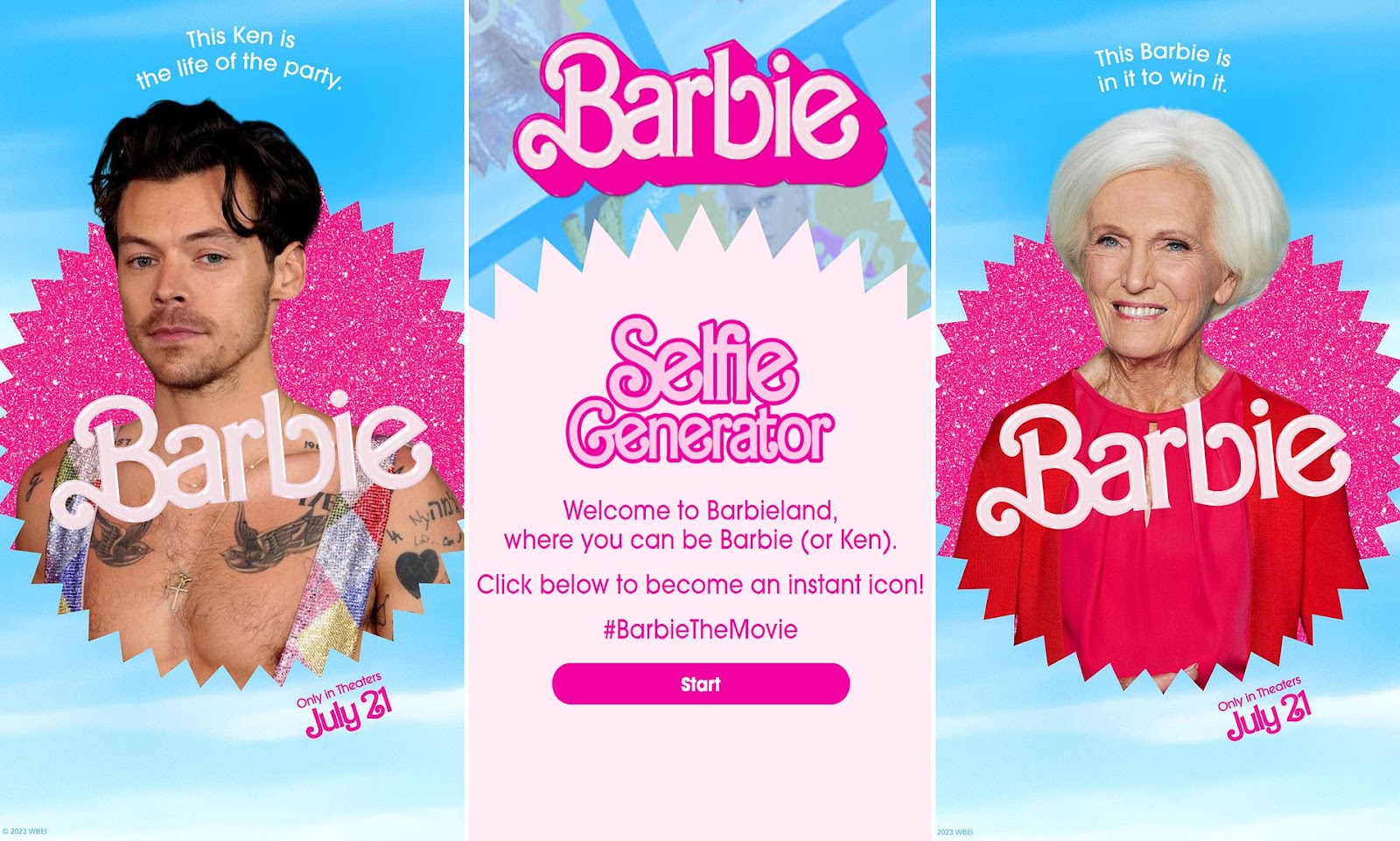
To promote the Barbie movie, Warner Bros. launched an AI-powered selfie generator that allowed fans to create personalized images of themselves as Barbie or Ken.
These shareable, customizable creations generated excitement and inclusivity, making fans feel part of the Barbie universe.
Takeaways for marketers:
- Embrace technology: Use tools like AI to deliver unique, engaging experiences.
- Prioritize inclusivity: Campaigns that make everyone feel involved resonate broadly.
- Drive social sharing: Personalization combined with shareable content maximizes campaign reach.
Way Forward
The power of great advertising lies in its ability to move, engage, and surprise. As a marketer, you hold the tools to create campaigns that don鈥檛 just sell but inspire.
Use the lessons from these groundbreaking ads to experiment, innovate, and connect on a deeper level.
The next iconic campaign? It鈥檚 yours to create.